
GRAND IRIAN TOURS · SOUTH PAPUA, INDONESIA
Asmat Cultural Tours: Carving, Dance & Living Traditions
Discover Asmat through the people who carve, sing, gather and share stories in the river communities of South Papua. Explore the relationship between art and everyday life, learn about music and celebrations, and shape a cultural journey around the encounters that matter most to you.
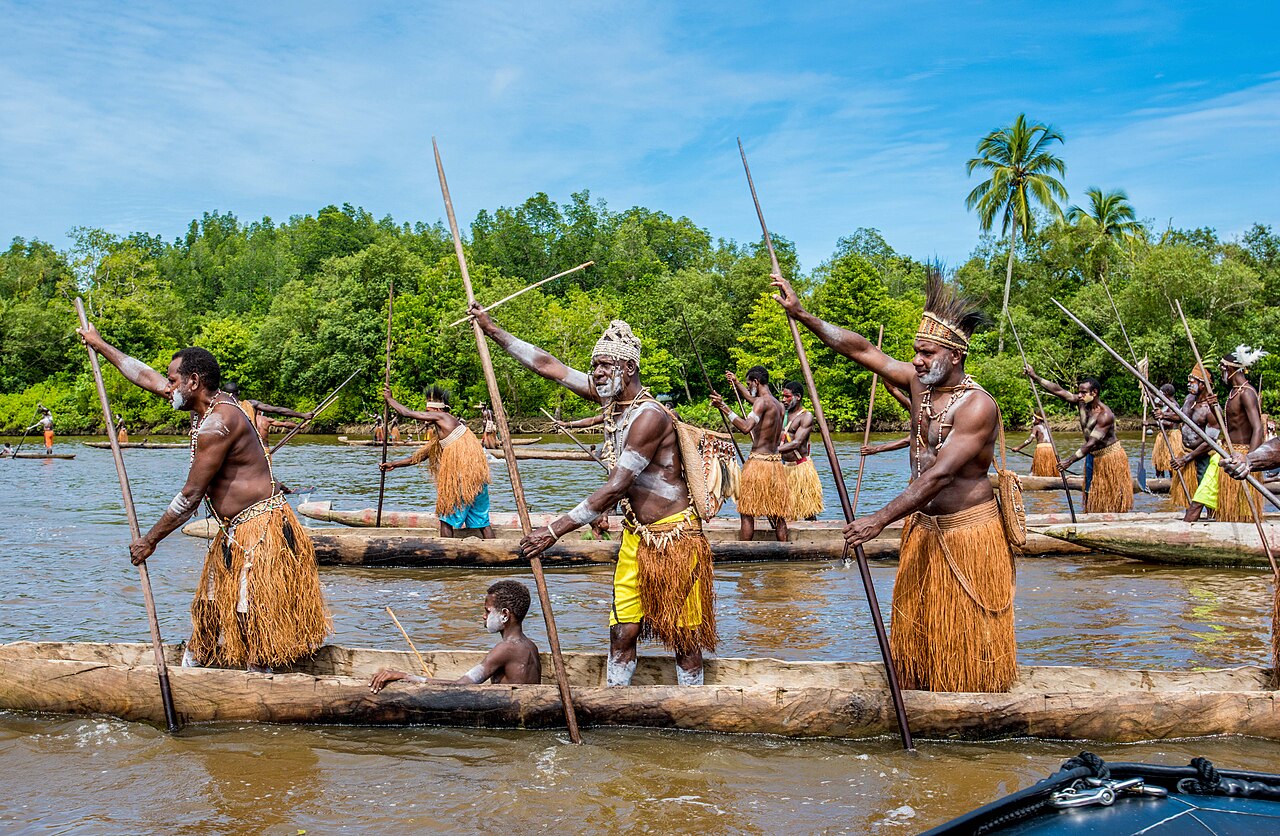
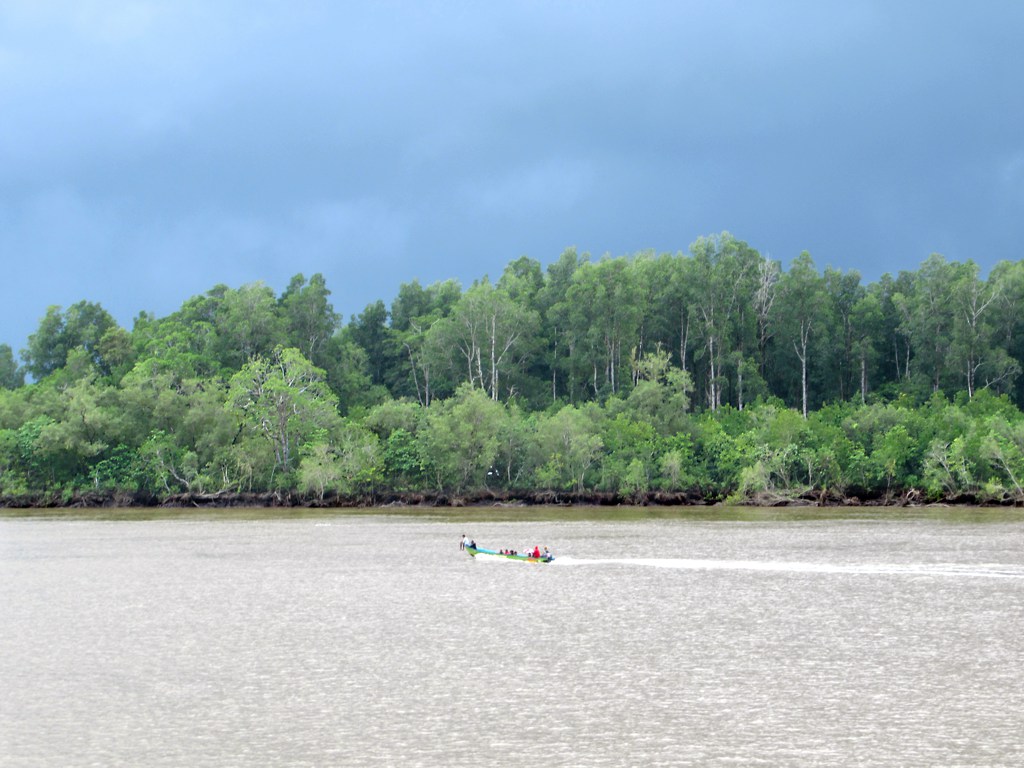
Canoe Warriers in West Papua.jpg — photobom · CC BY 2.0. Wikimedia-generated proportional thumbnail; no editorial alteration.

Destinations / Asmat
Carving · Dance & music · Celebrations · Jew house · Map & transport · Tour packages
Why travel to Asmat?
Asmat rewards curiosity. For an art lover, a carved figure can open a conversation about memory, family and the maker’s choices. For a photographer, a river journey offers a changing relationship between people, boats and forest. For a culturally curious traveler, the most valuable moment may be an unhurried exchange with a host, helped by a guide who can explain the context.
The appeal is the connection between these experiences. A museum visit gives you a visual vocabulary; a village visit adds people and place; the boat journey reveals the landscape that links them. Build your trip around the aspects you want to understand, with enough time to move beyond a quick stop and a photograph.
Asmat culture: people, place and continuity
Asmat cultural life is closely connected with wood, ancestors and the natural world. Museum interpretations describe relationships between people and trees that help explain why carving can hold meaning beyond its appearance. A figure or ceremonial object may refer to particular people and obligations, rather than simply expressing a general decorative style.
Approach each encounter with questions rather than assumptions. Communities and individual artists have their own histories and perspectives. A museum object records a particular context; it should not be treated as a complete description of everyone living in Asmat today. Let your hosts explain what an object, place or practice means to them.
Asmat woodcarving: art with a story
Look beyond the surface
Woodcarving is a compelling reason to visit Asmat. Figures, shields, drums and other objects invite you to look closely at shape, texture and relationships between forms. A guided introduction helps you ask better questions: who made a piece, what it depicts, and whether it was created for a ceremony, everyday use or sale.
Understanding bisj ancestor poles
Bisj, also written bis, are ancestor poles associated with particular parts of the Asmat region. Their carved figures commemorate named deceased people. A pole is worked from a single tree, with a retained buttress root forming its distinctive projection. Understanding that context changes how you see the sculpture.
Meeting makers and buying thoughtfully
If meeting a carver is a priority, include it in your enquiry so an appropriate visit can be explored. When considering a purchase, ask for the maker’s name, the story of the piece and confirmation that it is intended for sale. Discuss packing and transport before choosing a large work; cultural significance deserves as much attention as size or appearance.
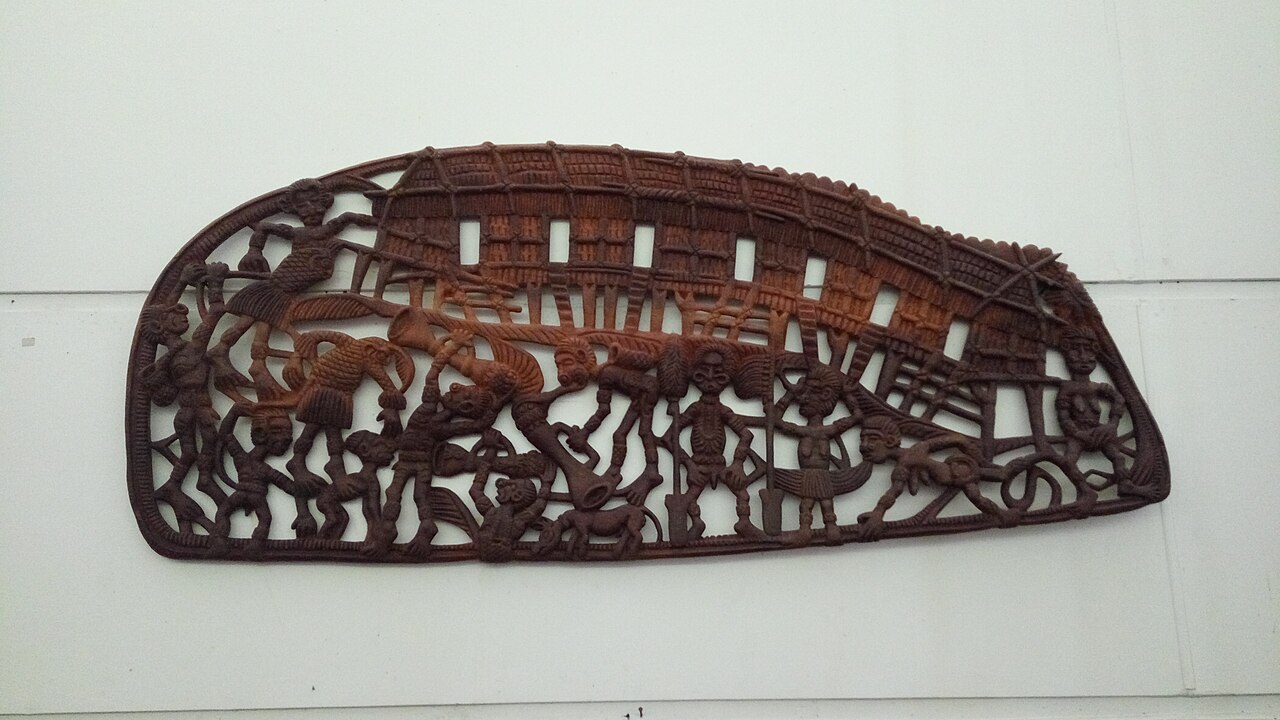
Asmat Carving.jpg — Si Gam · CC BY-SA 4.0. Wikimedia-generated proportional thumbnail; no editorial alteration.

Dance, song & the sound of the tifa
An encounter with rhythm and movement
Asmat dance brings movement, singing, drumming and personal adornment together. These elements help communicate meaning as well as create a performance. Watch the relationship between the dancers and musicians, and ask your guide to introduce the occasion and the people taking part.
Em: the Asmat drum
The drum known as em is part of the musical tradition often described to visitors as tifa music. Asmat drums accompany songs and dance; their carved forms also connect musical instruments with the region’s visual arts. Seeing a drum in the museum and hearing one in an agreed presentation offer different ways to appreciate the same cultural world.
Songs with different purposes
The Asmat Museum describes sow as singing accompanied by tifa, with forms connected to different occasions. Some songs have restrictions on when and where they may be performed. A visit is an opportunity to listen and learn from hosts rather than request any song from a fixed repertoire.
Include music in your enquiry
Tell us if a host-approved dance or music presentation is a priority. Ask who will introduce it, what the occasion means and whether the artists welcome photography or recording. Availability, arrangements and any additional cost should be confirmed in your proposal.
Celebrations, festivals & ceremonial life
A festival-focused cultural journey
Public cultural festivals can bring an additional sense of occasion to an Asmat visit. Historical festival coverage highlights the region’s carving traditions and public cultural expression. For travelers interested in artists and community gatherings, a confirmed event can become the starting point for a tailored route.
Plan around a confirmed programme
Festival dates and activities vary. Ask Grand Irian Tours to verify the intended year’s announcement, location and visitor arrangements before coordinating flights. Describe whether your priority is carving, dance, music or canoe activities so the team can compare your interests with the actual programme. No festival date or performance is guaranteed on this page.
Jipae: understanding a ceremony in context
Museum accounts describe jipae mask feasts in some Asmat communities as occasions connected with deceased relatives and the relationship between the living and the spirit world. Body masks, dance and gathering are part of these accounts. Practices vary by place; this is cultural background, not an activity listed for every tour.
An invitation to learn
A public festival, a presentation arranged with hosts and a community ceremony have different purposes. Your itinerary should make clear what has been agreed. If a ceremony is not open to visitors, the museum and conversations with willing hosts can still help you understand its place in cultural life.
The Jew: a place of gathering and cultural knowledge
The Jew is an important Asmat communal house, associated with men’s gatherings, discussion and customary activities. It is a space where elders share knowledge and younger people learn about social responsibilities and tradition. Its long form, timber structure and sago-leaf roof connect the building with locally available materials.
Seeing a Jew can add an architectural and social dimension to a village visit. Listen to your guide’s explanation of the building’s role and follow the host’s instructions about entry and photography. An invitation matters. A visit or an overnight stay should be agreed with the community, not assumed to be available in every village.
Agats and the Asmat Museum of Culture and Progress
Begin with the museum
The Asmat Museum of Culture and Progress in Agats provides an introduction to the region’s artistic and cultural heritage. Established in 1973, it holds woodcarvings and objects connected with social life, spiritual traditions and local history. The museum is managed through the Diocese of Agats–Asmat and its cultural foundation.
Make the visit part of a wider story
Give yourself time to look, ask questions and compare forms instead of rushing through the displays. An object seen here can become a useful starting point for conversations later in the journey. Ask the team to place the museum visit at a sensible point in the itinerary and confirm opening arrangements.
From Agats into the villages
Grand Irian Tours’ dedicated Asmat route includes Agats and village travel toward Sawa Erma and Amboreb. Use the town as an introduction, then compare how much time you would like to spend visiting other communities. The exact sequence belongs in your confirmed proposal.
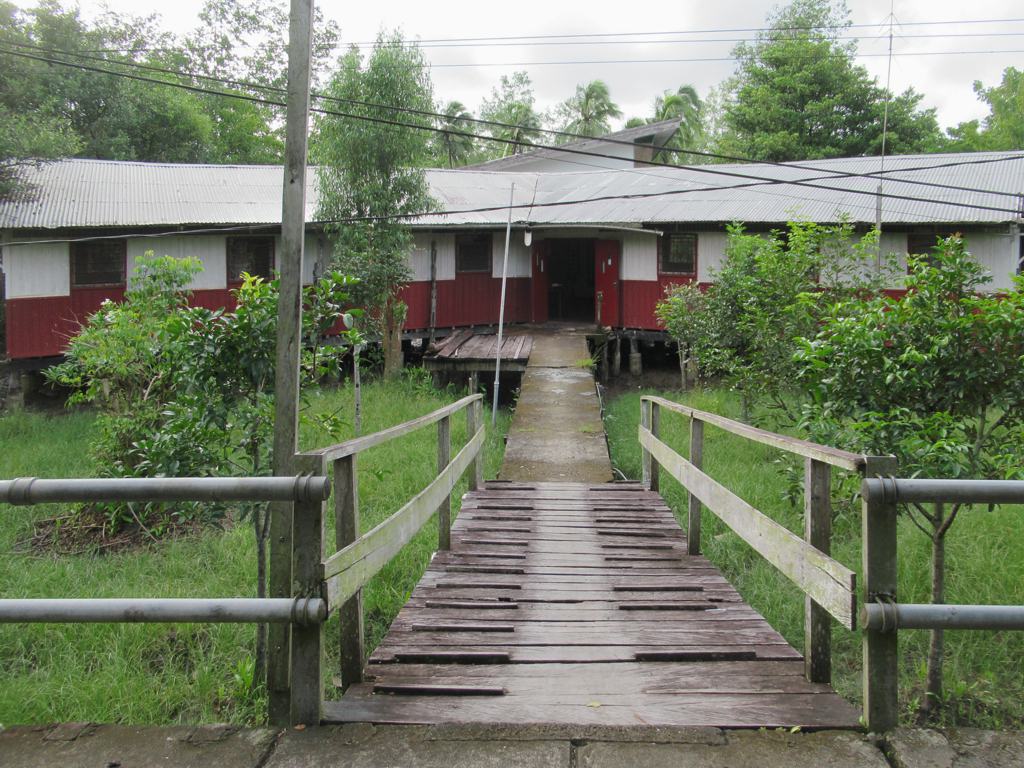
Museum Asmat (48280683281).jpg — David Stanley · CC BY 2.0. Original source file; no alteration.
.jpg)
Canoes, sago and everyday life along the rivers
Canoes and the waterways
Traditional dugout canoes are one of the most recognizable expressions of Asmat’s relationship with water. Watch how the river influences movement and the arrangement of a settlement. Cultural canoe activities and the motorized boat transfers used by visitors are different experiences; the proposal should explain what is planned.
Sago and the forest
Sago is an important staple in Asmat food traditions. Understanding how food comes from the surrounding landscape adds depth to a cultural journey. If learning about sago is part of your interest, ask whether a host-led introduction can be arranged. Any demonstration should fit the community’s activities and willingness to receive visitors.
A patient approach to village visits
Everyday life can be as interesting as a formal presentation. Leave room for conversation and observation, and let hosts decide what they wish to share. Avoid expecting people to dress, work or perform in a particular way for the camera. The strongest memories often come from attention rather than a crowded schedule.
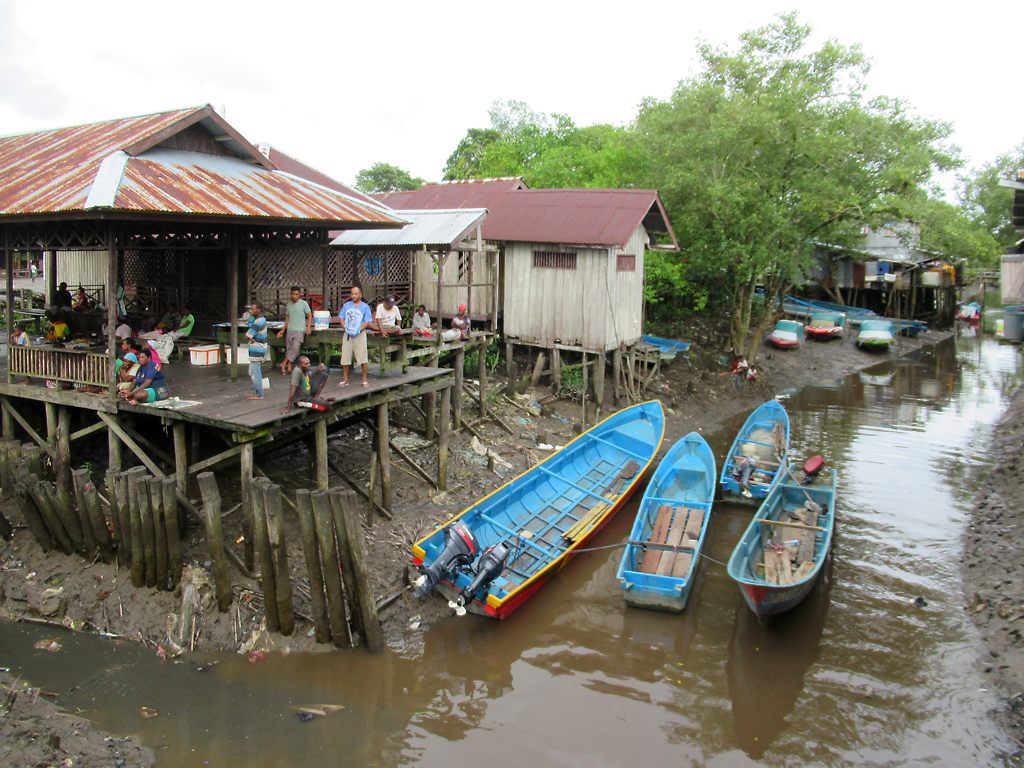
Canoes at Agats (48319987547).jpg — David Stanley · CC BY 2.0. Original source file; no alteration.
.jpg)
Shape the journey around your interests
For art and cultural history
Prioritise the Agats museum, time to understand carving traditions and conversations with appropriate local hosts. Ask for an itinerary that gives these visits breathing room rather than adding more distant stops.
For photography
Explain whether you are interested in art details, river landscapes, architecture or portraits. That helps the team discuss timing and permissions. Ask people before photographing them, and keep cultural objects and performances in their proper context when sharing images.
For river travel and village stays
Choose a route that balances travel days with time in the communities visited. Discuss the sleeping setup, meals and daily rhythm in detail. Staying longer in fewer places may suit you better than trying to cover a large area.
For a longer Papua expedition
Compare a dedicated Asmat journey with the combined Asmat–Korowai route. The latter introduces a different destination and forest-walking component. Choose it because those experiences interest you, with a clear understanding of the additional time and practical demands.
Where is Asmat? A landscape shaped by water
South Papua, Indonesia
Asmat lies in South Papua on the Indonesian side of New Guinea, along the lowland coast facing the Arafura Sea. Its waterways lead inland through a landscape of estuaries, mangroves, swamp forest and sago-growing areas. Agats is the regency’s administrative center and the starting point for many visitor journeys.
Rivers as the routes of daily life
Rivers such as the Aswet, Bets and Sirets form part of a much larger network of channels. Their importance goes beyond transport: water, forest and settlements are closely connected in the way people travel and obtain food. Moving between communities by boat gives geography a visible role in the journey.
What the landscape means for your trip
Think in terms of river routes and overnight stops rather than distances on a road map. A route that looks short on screen can involve substantial travel. Allow time to appreciate the journey itself and choose an itinerary with a comfortable balance of boat travel and time ashore.
Asewet River (48260725561).jpg — David Stanley · CC BY 2.0. Original source file; no alteration.
.jpg)
Map, transport & estimated travel times
The route below follows the Timika–Ewer–Agats approach used in the published Grand Irian Tours itineraries. The map shows the regional setting, with Agats marked as the gateway for the village journey. Zoom in to inspect the waterways around Ewer and Agats.
Map data © OpenStreetMap contributors. Marker: Agats town, approximate location. Open the regional map · Zoom to Ewer and Agats.
A practical route from Makassar
Makassar → flight → Timika → regional flight → Ewer → boat → Agats
From Jakarta, Bali or another city, choose an available domestic connection to the gateway route. Your total travel time depends on the ticketed routing and layovers. The sequence above is a planning example, not a same-day connection guarantee.
| Journey stage | Transport | Estimated duration | What the estimate includes |
|---|---|---|---|
| Makassar (UPG) → Timika (TIM) | Nonstop domestic flight | About 2 hr 55 min–3 hr | Flight time only. Check service availability for your date. |
| Timika (TIM) → Ewer (EWE) | Regional flight; Wings Air is listed on this route | About 45–60 min | Planning range reflecting published flight-duration listings; excludes check-in and waiting for the connection. |
| Ewer airport → boat departure point | Locally arranged ground transfer / movement to the boat | Confirmed with the local team | Allow separately for baggage collection, meeting the guide and reaching the departure point. |
| Ewer → Agats | Speedboat / motorized boat | About 20–30 min on the water | Boat time in the published tour itineraries; depends on the landing point, boat and conditions. |
| Sawa Erma → Amboreb (selected village route) | Chartered motorized boat | About 3–4 hr | An example within the published Asmat route, not a general estimate for every village transfer. |
Moving time is different from the full travel day
Adding just the listed flight and boat stages gives approximately 1 hr 5 min–1 hr 30 min from Timika to Agats, or 4 hr–4 hr 30 min from Makassar. These are calculated moving-time totals, not door-to-door estimates: they exclude check-in, baggage collection, the transfer to the boat, layovers and any overnight stay.
Keep the Timika connection flexible. If the incoming flight does not match the regional departure, an overnight stay may be needed. Ask Grand Irian Tours to check the sequence before purchasing separate tickets. Boat timings also vary with the route, water conditions and stops.
Timika, Ewer and Agats use WIT (UTC+9). Makassar is one hour behind; Jakarta is two hours behind. Compare elapsed journey durations rather than simply subtracting the local clock times on different tickets.
Flight schedules and local arrangements must be reconfirmed for the actual travel date.
Practical planning for an Asmat tour
Getting to Agats
The published Grand Irian Tours routes use Timika and Ewer as connections to Agats. Flight days, transfer times and onward arrangements need to be checked for your dates. Send your proposed international and domestic flights before booking the final connections, so the land itinerary can be coordinated around them.
When to travel
Choose dates by considering current transport, river conditions, local arrangements and your interests together. If a festival is the reason for your journey, confirm the event first. For a general cultural trip, ask the team to explain the options for your preferred month instead of relying on a single blanket “best season” claim.
How much time to allow
The published collection offers a seven-day Asmat trip and a fifteen-day Asmat–Korowai expedition. Those titles provide a starting point for comparison, not a substitute for a confirmed day-by-day plan. Leave flexibility around the route and tell the team if your onward departure is fixed.
Accommodation and comfort
Ask for the sleeping arrangement at every stop: room or shared space, bedding, mosquito protection, washing facilities and charging access. A hotel night and a village overnight can be very different. Clear expectations help you choose a journey you will enjoy.
Packing and equipment
Discuss rain protection, footwear, sun protection and keeping cameras and documents dry. Share the amount of luggage and photography equipment you expect to carry. A small day bag that keeps essentials accessible can be useful during transfers; ask the team what works for the proposed boats and overnight stops.
Meals and personal requirements
Mention dietary needs and mobility considerations when requesting a proposal. Ask how meals, drinking water and assistance during transfers will be arranged. Raising these points early gives the team a chance to assess the route against your needs.
Price and inclusions
Request an itemised quotation for your group and travel dates. Compare what is included in transport, accommodation, meals, guiding and agreed village activities. Confirm exclusions and payment terms before accepting a proposal, especially when combining destinations.
Choose your Asmat journey
Start with a published itinerary or request a proposal shaped around your interests. Confirm the final route and inclusions with Grand Irian Tours before booking.
Asmat Cultural Journey · 7 days
Focus on Asmat’s art and river communities, with Agats as an introduction and village travel forming the heart of the route.
Asmat & Korowai Expedition · 15 days
Extend the journey into Korowai territory. Compare the additional forest walking, travel days and overnight arrangements before choosing this longer expedition.
Prefer an itinerary built around you?
Tell us whether your priority is woodcarving, cultural history, photography or a slower river journey. Share your available days and accommodation preferences so we can discuss the right balance.
Asmat travel questions
What is Asmat best known for?
Asmat is particularly associated with woodcarving and cultural traditions connected with ancestors, wood and the surrounding landscape. A visit can combine art, the Agats museum and travel through river communities.
Is Asmat in Papua New Guinea?
No. Asmat is in South Papua Province, Indonesia, on the Indonesian side of the island of New Guinea. Make sure flight searches and travel arrangements refer to the Indonesian destination.
Can I visit Asmat without continuing to Korowai?
Yes. Grand Irian Tours lists a dedicated Asmat itinerary as well as a longer combined expedition. They offer different experiences and should be compared separately.
Can an Asmat tour include dance and tifa music?
Mention this when requesting your trip. The team can explore a presentation agreed with local hosts, but availability and inclusions must be confirmed. A hosted presentation is different from access to a community ceremony.
Can I plan my trip around an Asmat cultural festival?
Yes, you can request a festival-focused proposal. Confirm the event dates and programme for your travel year before buying connecting flights; historical festival announcements are not current schedules.
Will I see a ceremony or canoe performance?
Only activities agreed for your visit should be expected. Hosts determine what is appropriate to share, and ceremonial events may have their own timing and purpose. Ask which cultural activities are included in your proposal.
Can I buy Asmat carvings?
Discuss opportunities to meet makers or view works offered for sale. Confirm the maker, intended use, provenance and transport arrangements for a piece before purchasing it. Do not assume that a ceremonial object is available to buy.
Is this mainly a trekking destination?
The Asmat itineraries focus on river journeys and cultural visits. The combined Korowai expedition adds forest walking. Check each day’s activities and the practical requirements of boarding boats and moving around the places visited.
How do I request a tailored Asmat tour?
Send Grand Irian Tours your dates, group size, preferred duration and main interests. Mention art, photography, village stays or a festival if these are priorities, along with your comfort preferences and existing flight plans.
Explore related destinations
Compare the next stage of your journey: Korowai forest expeditions or Kombai cultural trip planning.
Bring your Asmat journey into focus
Begin with the experience that matters to you. Send your dates, number of travelers and interests to Grand Irian Tours, and take the next step toward an Asmat journey planned with care.