
GRAND IRIAN TOURS · PAPUA HIGHLANDS, INDONESIA
Baliem Valley Tours: Culture, Dance & Highland Villages
Meet the cultural life of Papua’s highlands through dance, village hospitality, distinctive architecture and the stories behind personal adornment. Begin in Wamena and explore the Baliem Valley at a pace that leaves time for conversation, with a cultural tour or a longer walking journey shaped around your interests.
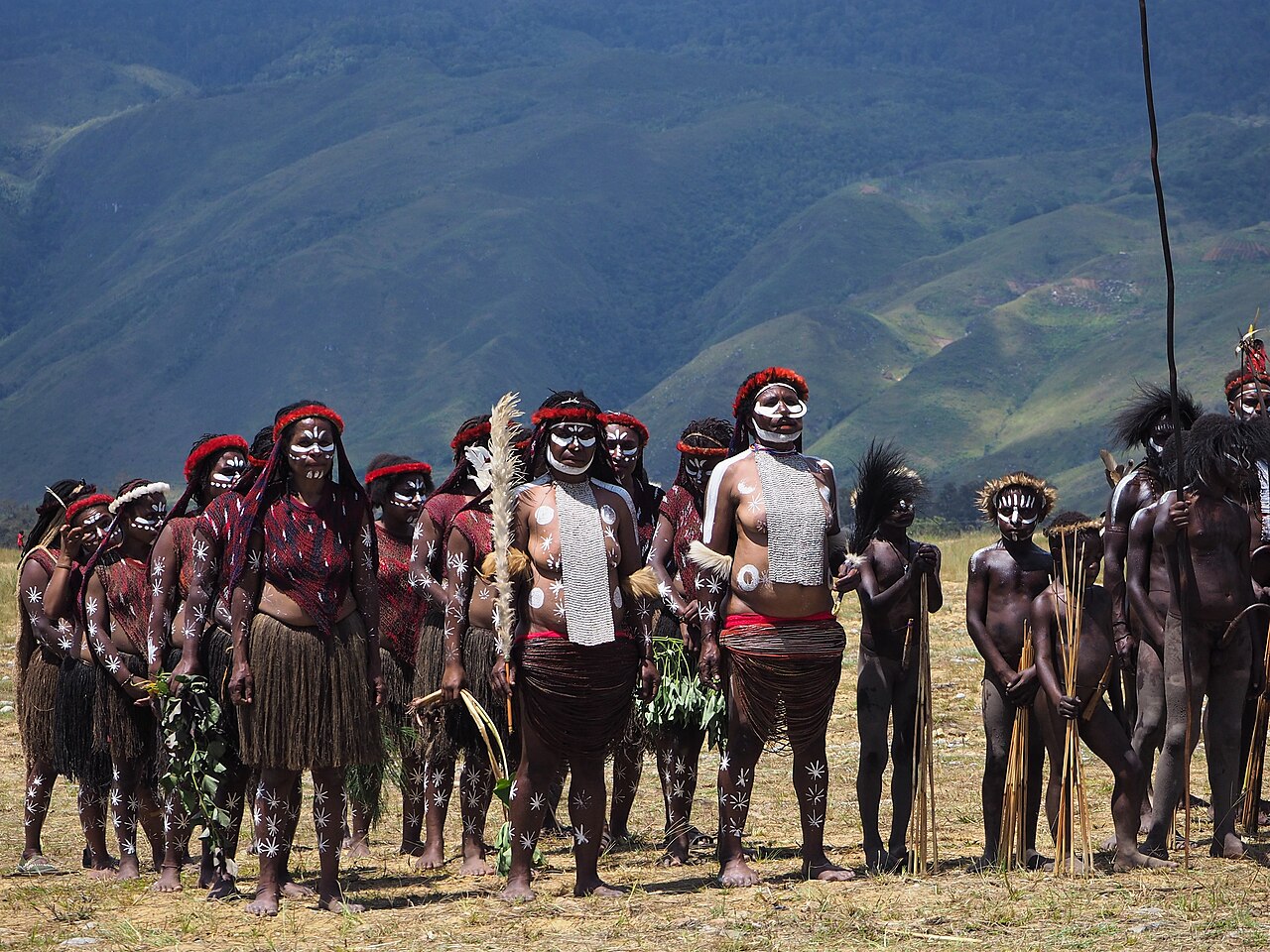
Opening Ceremony of Baliem Valley Festival 2018.jpg — Nurul Ichlasiah · CC BY-SA 4.0. Wikimedia-generated proportional thumbnail; no editorial alteration.

Destinations / Baliem Valley
Dance · Festival · Honai · Food & craft · Map & transport · Tour packages
A highland journey with people at its heart
The Dani and their neighbours
Baliem Valley is closely associated with the Dani people. The wider highlands are culturally diverse, and the Baliem Valley Festival has brought Dani, Lani and Yali participants together. A festival gathering should not be taken to mean that every community has the same language, dress or traditions. Ask your guide to introduce the people and places on your own route.
More than a festival photograph
A rewarding cultural journey connects what you see with what you learn. A house can open a discussion about family life; a woven bag can reveal a maker’s skill; a walk past cultivated land can explain how settlements relate to the valley. Leave time for your hosts to tell the story in their own way.
Choose your style of encounter
Tell Grand Irian Tours whether you would most enjoy village visits, a confirmed festival, shorter walks or several days on foot. These choices shape the route and the amount of time available for conversation. A cultural visit can be meaningful without a demanding trek.
Dance, movement & collective performance
Watching the group, not just the costume
Traditional dance is part of the Baliem Valley Festival’s documented programme. The experience includes the way participants move together and occupy the open performance space, as well as the clothing and ornaments that draw the eye. A guide’s introduction can help you understand which group is performing and what visitors are being invited to see.
Music and the occasion
Festival programmes have also featured pikon music and folk games. Ask what is scheduled for the year of your visit instead of expecting a fixed daily performance list. Away from the festival, discuss whether local hosts would welcome an arranged presentation, who would take part and how it would be introduced.
Time to watch and listen
If performance is a priority, allow time to stay with an activity rather than stopping only for a photograph. Ask before recording, and follow directions about where spectators should stand. Include any agreed performance costs in your proposal so the visit is clear to hosts and travelers alike.
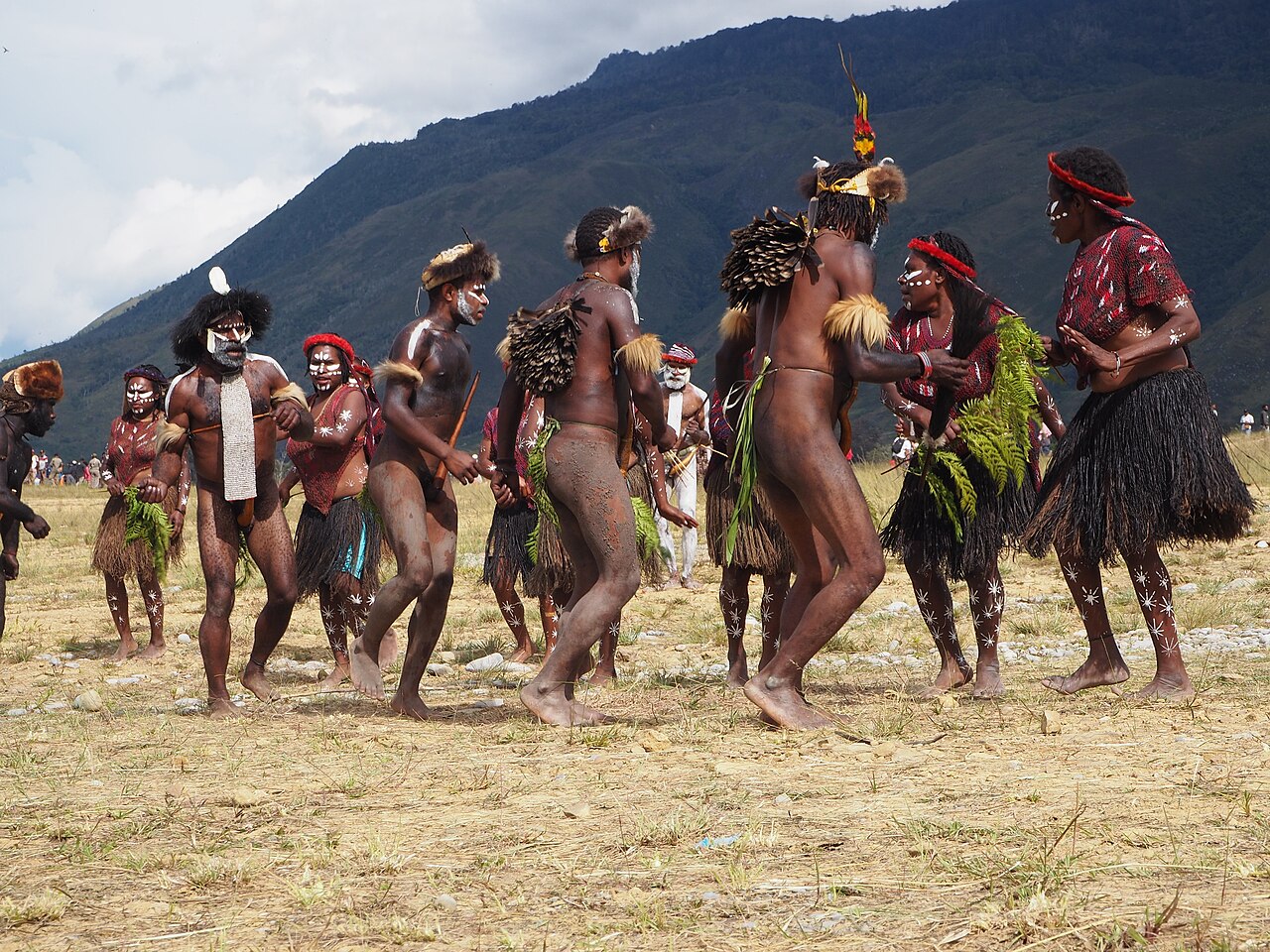
Traditional Dancing in Lembah Baliem Festival.jpg — Nurul Ichlasiah · CC BY-SA 4.0. Wikimedia-generated proportional thumbnail; no editorial alteration.

Baliem Valley Festival: celebration in the highlands
A gathering of cultural expression
The festival offers a concentrated introduction to highland performance and public celebration. Documented activities include traditional dances, music, folk games and staged battle reenactments. These reenactments are festival performances; they should be described in that context rather than presented as evidence of everyday conflict.
Build a trip around the confirmed event
For a festival-focused journey, start by confirming the current dates, venue and programme. Then arrange flights, accommodation and village visits around the event. Historical photographs on this page show earlier editions and illustrate the cultural setting; they do not advertise a confirmed future performance.
Combine festival days with quieter visits
Consider balancing the busy performance ground with time in a village or a shorter valley walk. The contrast allows you to experience public celebration and make space for smaller conversations. Ask the team which combination fits your dates and how much travel is involved between stops.
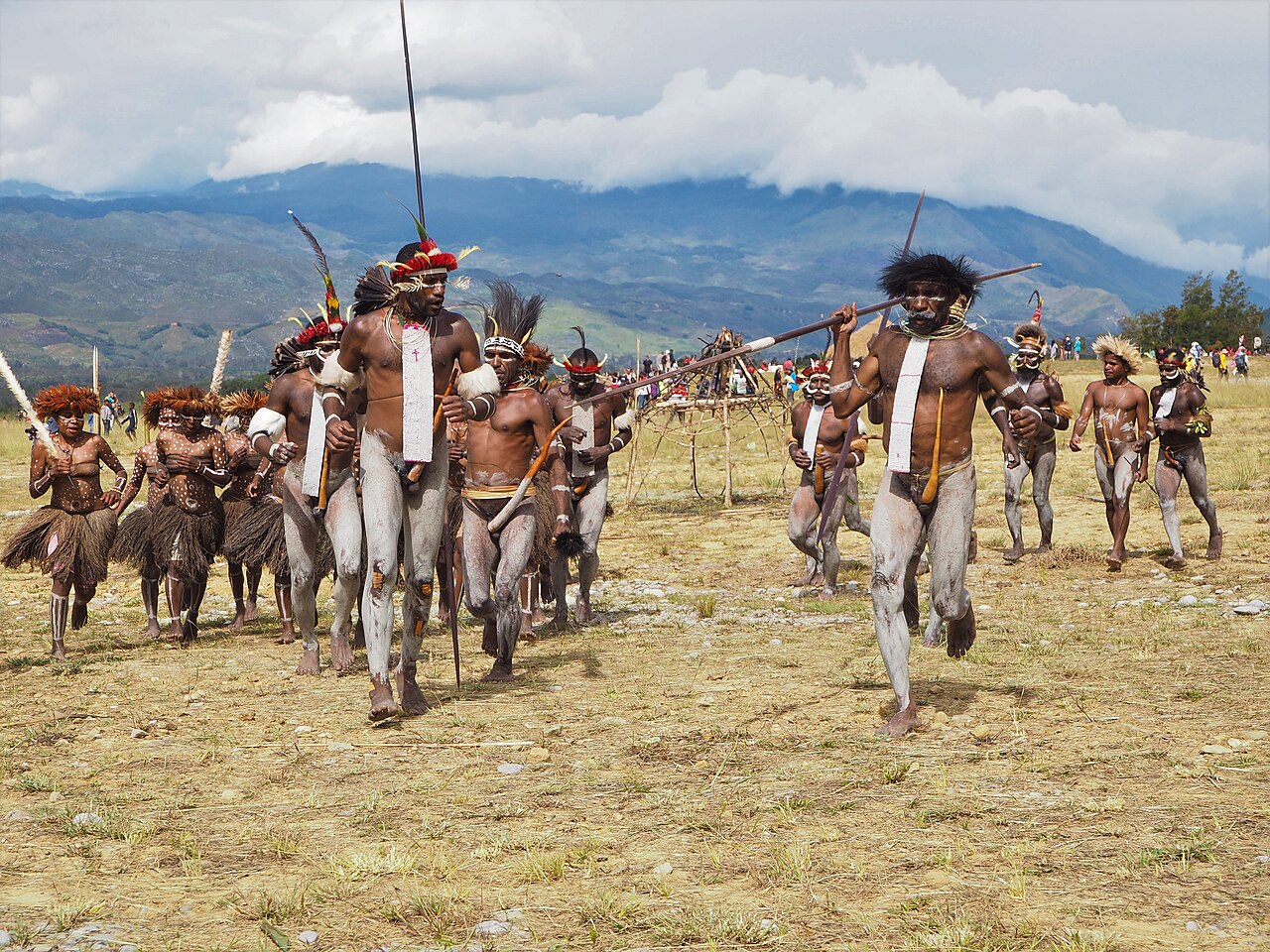
Dance performance by one of the participated district.jpg — Nurul Ichlasiah · CC BY-SA 4.0. Wikimedia-generated proportional thumbnail; no editorial alteration.

Dress, body decoration & personal identity
Look closely, ask thoughtfully
Festival photographs reveal different combinations of body decoration, headdresses, fibre garments and ornaments. Their appearance is an invitation to ask questions, not a reliable way to assign a person’s identity or interpret every object. Let participants or your guide explain the details they wish to share.
Portraits with context
A good portrait includes respect for the person in it. Agree before taking close photographs, ask about any local arrangements and avoid requesting changes to someone’s appearance for the camera. When sharing pictures, identify the event and date where known, and use captions that describe the encounter accurately.
A living culture
People may dress differently for a festival, a village presentation and ordinary activities. Cultural travel should leave room for these differences. The aim is to understand people’s lives and choices, not to expect every day to resemble a festival scene.
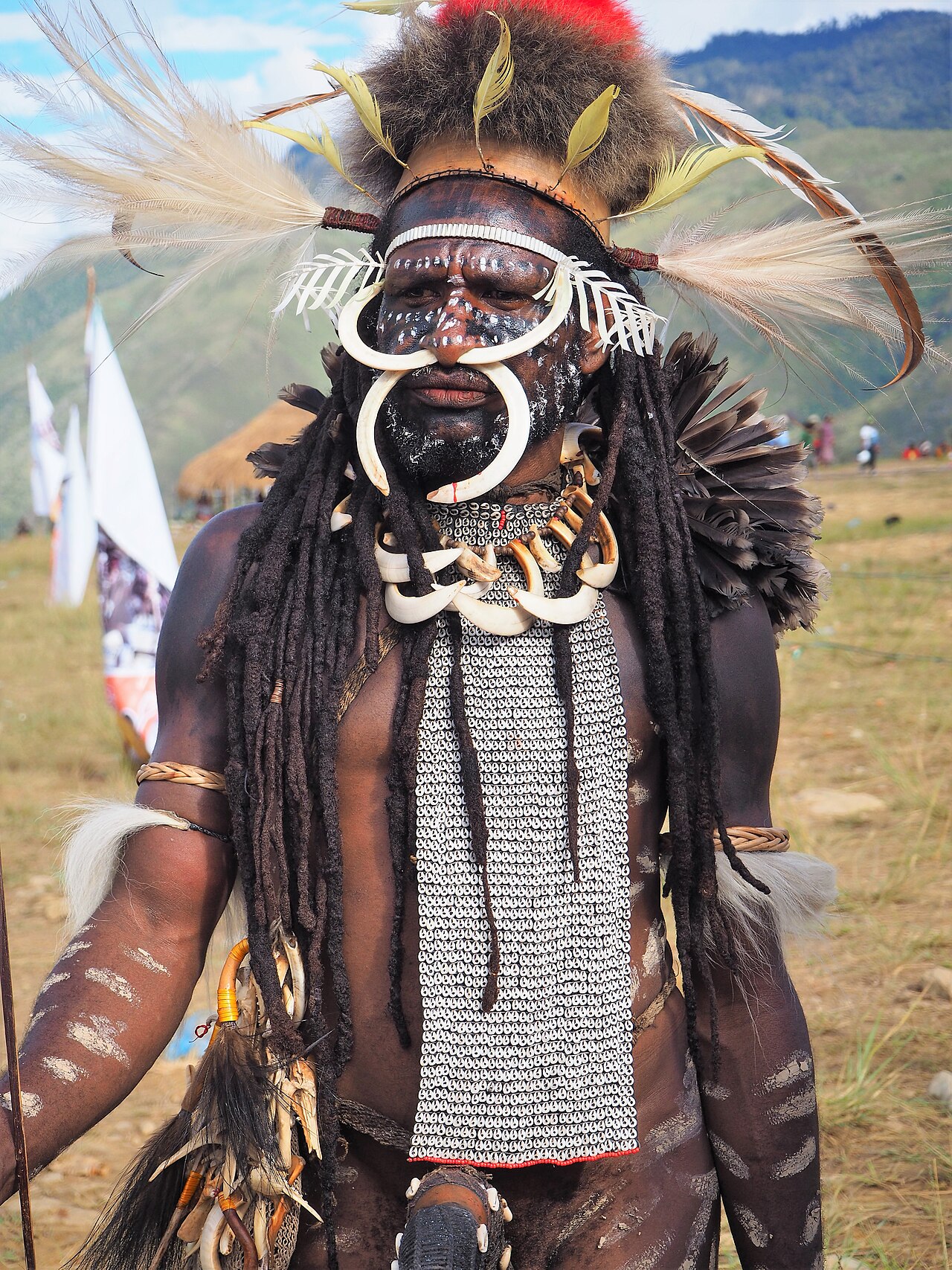
One of the warrior from Kurulu District.jpg — Nurul Ichlasiah · CC BY-SA 4.0. Wikimedia-generated proportional thumbnail; no editorial alteration.

Honai houses & the life of a village
Architecture shaped by the highlands
Honai are associated with Dani communities in Papua’s central highlands. Their rounded form, low entrance and thatched roof help explain how building traditions respond to cool mountain conditions. Seen within a settlement, the buildings are part of a social setting rather than isolated architectural objects.
A visit led by your hosts
A village introduction can connect the arrangement of buildings with daily tasks and family life. Ask which spaces can be visited, whether entry is welcome and where photography is appropriate. A home is not automatically open to visitors because it appears in an itinerary description.
Make room for conversation
Instead of trying to enter as many buildings as possible, allow time for one well-explained visit. Questions about materials, maintenance and the role of shared spaces can reveal more than a quick circuit. Confirm the villages and hosting arrangements when the team prepares your route.
Bakar batu, noken & everyday knowledge
Bakar batu: cooking and gathering
Bakar batu uses heated stones to cook food and is practised in Papua’s highlands as well as some other areas. The preparation and gathering are part of its cultural importance. Ingredients and occasions vary, so ask what an agreed visit would involve rather than assuming a standard menu or ceremony.
Discuss a hosted introduction
If learning about this cooking tradition interests you, mention it early. The team can discuss whether a suitable host-led activity is possible and how it fits the community’s plans. Confirm the cost, timing and food arrangements, including your dietary needs; an introduction should not be promised before those details are agreed.
Noken and the work of making
Noken are handmade knotted or woven bags associated with communities across Papua, not only Baliem Valley. Their everyday uses connect skilled making with carrying and exchange. If you find a piece offered for sale, ask about the maker and material, and take time to appreciate the work behind it.
Gardens and daily rhythms
The valley landscape includes cultivated areas, with sweet potatoes featuring in accounts of local agriculture. A walk can connect the view of the mountains with the places people work. Follow your guide’s route around homes and gardens, and ask before entering or photographing a private activity.
Plan a cultural photography journey
Choose a theme
Tell us whether your main interest is dance, portraits, architecture, craft or the wider landscape. This helps the team discuss visits and timing with hosts. The five cultural photographs on this page come from previous festivals; they are reference images, not photographs of a Grand Irian Tours departure.
Give each encounter time
A quieter schedule can provide more space to meet people and understand what you are photographing. Ask for a balance of observation and travel that matches your interests. For close portraits, permission and a clear introduction matter more than adding another location.
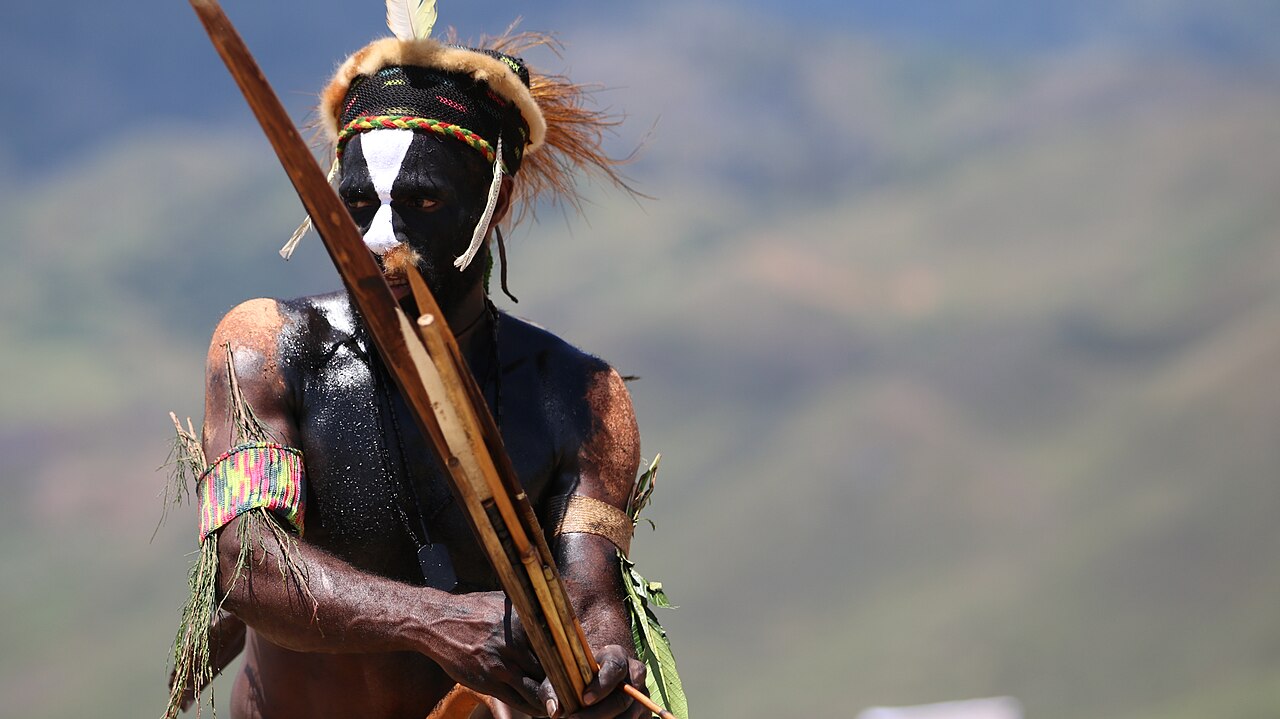
Festival Lembah Baliem 01.jpg — Trisno Utomo Cibodas · CC BY-SA 4.0. Wikimedia-generated proportional thumbnail; no editorial alteration.

Where is Baliem Valley?
Wamena and Papua’s central highlands
Baliem Valley lies in Papua Pegunungan, also called Highland Papua, on the Indonesian side of New Guinea. Wamena is the usual base for visitor journeys. Mountains surround the valley, and the Baliem River links the landscape of settlements and cultivated land.
Walks or a longer trek
Choose day visits and shorter walks if cultural stops are your main interest. A multi-day trekking itinerary makes walking and overnight arrangements a larger part of the trip. Ask for the terrain, daily walking hours and sleeping setup before deciding; a cultural tour and an eight-day trek serve different travel styles.
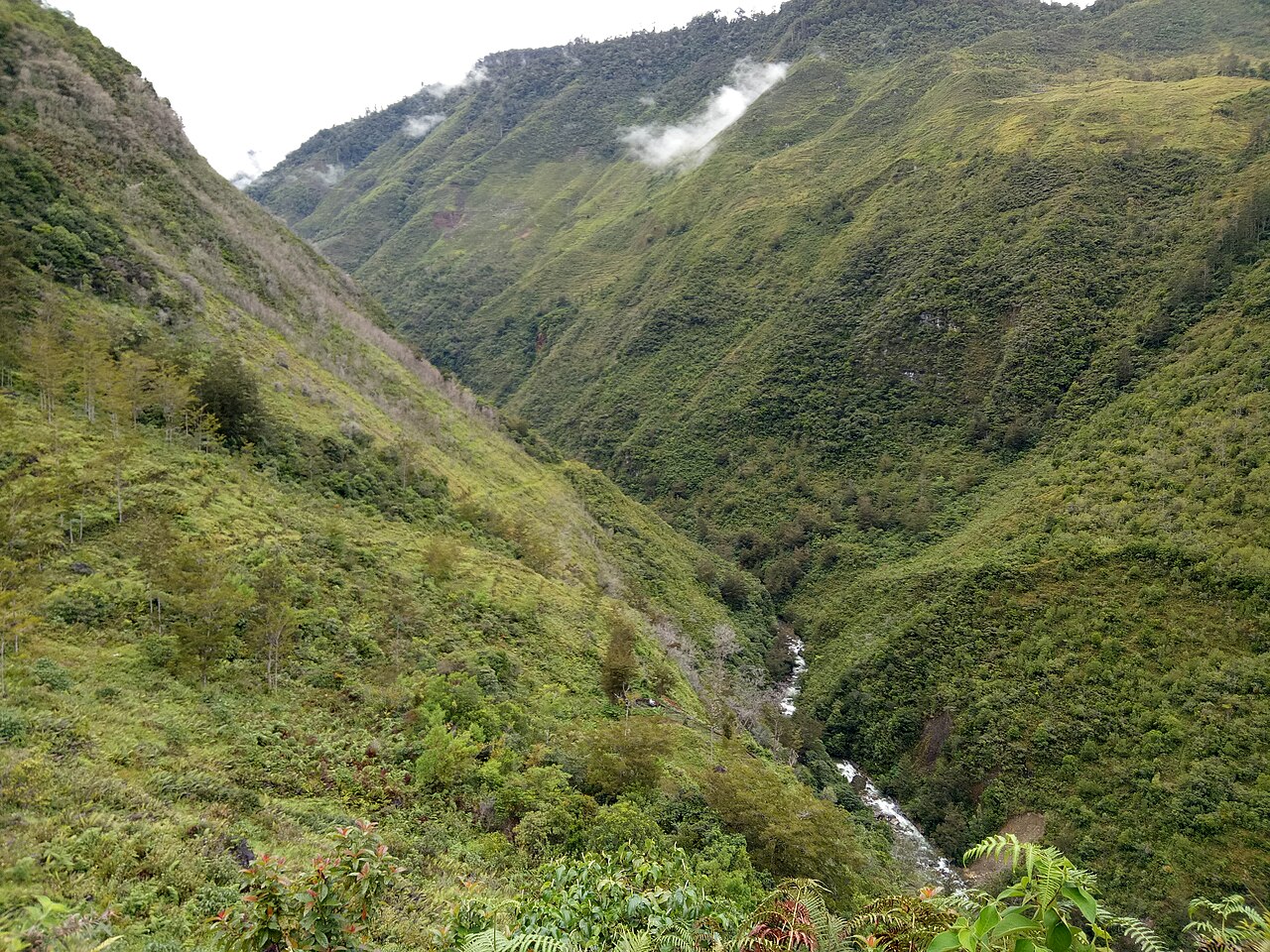
20170904 Papouasie Baliem valley 40.jpg — Lasthib · CC BY-SA 4.0. Wikimedia-generated proportional thumbnail; no editorial alteration.

Map, transport & estimated journey time
Map data © OpenStreetMap contributors. Approximate Wamena area marker, not a meeting point or trekking route. Open map.
Jayapura / Sentani (DJJ) → regional flight → Wamena (WMX) → arranged road transfer and village visits or walking.
Allow approximately 40–60 minutes for the Jayapura–Wamena flight, reflecting published duration listings checked on 12 September 2026. This is flight time only: check-in, baggage collection, layovers and onward transfers are additional. Road and walking times depend on the selected village or trail; request the estimate for each stop in your proposal. A connection may require an overnight stay, so confirm the sequence before buying separate tickets.
Plan your Baliem Valley cultural tour
Dates and duration
Compare the published four-day cultural itinerary with the eight-day trekking route. Confirm where each trip begins, which transfers are included and how many days are actually spent in the valley. For a festival trip, coordinate around an announced event rather than a generic seasonal claim.
Comfort and daily activity
Ask whether your plan uses a hotel base or village overnights, and request the facilities at each stop. Share your walking experience and mobility needs. Shorter outings still need a realistic discussion of paths, weather and time on your feet.
Packing and photography equipment
Discuss rain protection, layers for cooler conditions, footwear and keeping equipment dry. Tell the team how much camera gear and luggage you will carry, especially if you are considering a trek. Confirm the airline’s baggage allowance against your ticket.
A proposal built around your priorities
Send your dates, group size, interests and preferred pace. Ask the quotation to identify transport, accommodation, guiding, meals and agreed cultural activities. Confirm any exclusions and the practical arrangements before booking onward travel.
Choose your Baliem Valley journey
Baliem Valley Cultural Tour · 4 days
Start with the four-day cultural itinerary if guided visits and a shorter introduction are your priority.
Baliem Valley Trekking · 8 days
Compare the eight-day trekking itinerary if you want walking to play a central role in the journey.
Published itineraries are starting points. Confirm current access, dates, inclusions and any requested festival or village programme.
Baliem Valley travel questions
Do I need to trek to experience Baliem Valley culture?
No. Compare a cultural itinerary with shorter outings against a multi-day trekking route. Ask for the daily walking requirements of either option.
Can I see dance outside the festival?
You can ask about a presentation agreed with local hosts. Availability, participants and costs need confirmation; it is not included automatically in every village visit.
When is the next Baliem Valley Festival?
Ask the team to check the official announcement for your travel year before booking. This page does not publish an unconfirmed event date.
Are the photographs from your tours?
These are credited, licensed reference photographs of earlier festivals and the valley landscape. They are not presented as documentation of a Grand Irian Tours departure.
Can I visit honai houses or learn about bakar batu?
Mention both interests in your enquiry. Village access and any hosted introduction depend on local agreement and should be specified in the proposal.
Can I combine the valley with Lake Sentani?
Discuss the published cultural itinerary and your flights with the team. Confirm the time available in the Jayapura and Sentani area and the current sequence of visits.
How do I book a cultural journey?
Use a published package as a starting point or send your dates, group size and cultural interests for a tailored proposal.
Continue your Papua journey
Explore Jayapura and Lake Sentani or discuss a Nimbokrang birdwatching extension.
Make culture the heart of your journey
Share your dates and the experiences you want to understand, from dance and festival gatherings to village architecture and everyday skills. Let us help you shape a journey with time for the people you meet.